Thinking architecture: The detail's, The Ornamental and thought process
What is thinking architecturally? It's every small meaning, detail and development of a building. The most important reasons behind design!
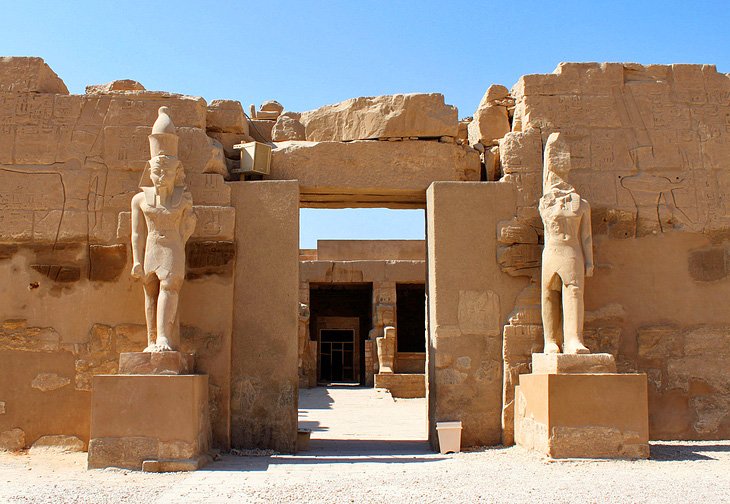
https://www.planetware.com/photos-large/EGY/egypt-temple-of-amun-temple-of-ramses-iii.jpg
Amun Karnak, Egypt, has high ceilings to purposely represent the significance of the deities compared to man. Not only does this represent how strongly the involvement of architecture as ornament can be used/ associated to importance and hierarchy. But It's detail and use of architecture as a language is particularly inspiring as those hieroglyphics would last thousands of years and influence many generations. Thousands!
In my opinion this is drastic as those generations would effect the success of climate, education and more. This thought process can be brought forward towards modern day where we observe the past and how power was interpreted differently to current governmental affairs. For example our democratic use of elections in comparison to their soul use of the monarchy which presents a need for formalities and a use of Gothic revival architecture.

https://images.app.goo.gl/CKTL1RHfBKefrrNb6
If you move back towards the classical period of the Greeks (time period) then you can observe the various columns characteristics that form optical illusion's with both elegance and stability (a strong, straight central point and curvature outwards) which usually represents beautiful flowers. This allows architectural historians, such as myself to understand the amount of time spent thinking behind each column. Each of these were based off of the 5 classical orders of architecture:

https://images.app.goo.gl/qapDqgHQVNTixSSv9
Overall, in my opinion, throughout history the ornament and formation of columns the ornament is upon, is extremely significant in architectural thinking. Especially the minute details in architecture as a slight change can influence the entire design. For instance, within the Romanesque paintings of Pisa Cathedral (1063-1118) on the ceiling. If those paintings were extremely bland or on a completely different wall of the building the sophistication and ideas of drawing the viewers eyes to the gods would be ruined and it's extravagant exterior make no sense. Furthermore, in the Romanesque the use of the classic orders not only form minute aesthetic but, in my opinion, create structural stability to assist all elements of design.


Comments
Post a Comment